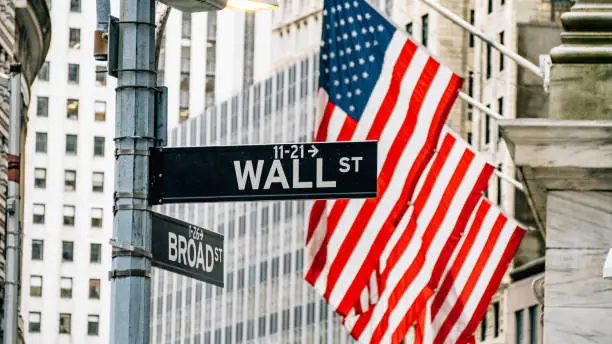
There is a growing paradox surrounding Nvidia-backed CoreWeave: central to powering the AI revolution, its public market debut was remarkably uninspired. The company stands at the frontier of technological infrastructure, yet finds itself caught between Wall Street exuberance and investor hesitation.
Let’s be clear: CoreWeave operates at the very cutting edge. Its vast network of data centres, equipped with over 250,000 high-powered Nvidia GPUs, is building the computational backbone of modern artificial intelligence. However, even those numbers couldn’t sway investors following a disappointing IPO. The shares were priced at $40 but are now trading closer to $36.25.
Confidence Vote or Calculated Risk?
Top Wall Street brokerages clearly believed in CoreWeave’s long-term value. Goldman Sachs, J.P. Morgan, Barclays, Jefferies, and Morgan Stanley all issued price targets ranging from $43 to $54 and maintained coverage on the stock. They focused on the evolving AI demand curve, with CoreWeave positioned as a crucial supplier.
J.P. Morgan also praised CoreWeave’s rapid adoption of next-gen GPUs—a move that challenged even the largest hyperscalers. Jefferies and Barclays echoed similar sentiments about the company’s first-mover advantage in an industry where being first often means being best.
Yet, behind these ratings and targets lie real concerns. Morgan Stanley summed it up well: “Volatile macro and equities backdrop may limit investors’ willingness.” In other words, investors are unlikely to make big bets on bold ideas in an environment that may not be ready for them.
Innovation on a Fragile Foundation
CoreWeave’s success wasn’t built in a vacuum. It rests on strategic partnerships, ample capital inflows, and significant reliance on Nvidia technology. The recent $11.9 billion contract with OpenAI signals strength—but also heightens risk.
The revenue concentration is staggering—77% came from just two clients last year, including Microsoft. Brokerage firms warn that such concentration is a significant risk. If one partner pulls back or renegotiates, the impact could be devastating. As Barclays put it, “This could cut both ways.”
It’s a familiar story: innovative, promising, but fragile. The AI infrastructure sector is booming, but it is expensive and debt-laden. As J.P. Morgan notes, CoreWeave’s capital-intensive, high-risk model may lead to “a wild, lumpy, volatile ride” that won’t suit every investor.
The Timing Question
CoreWeave’s IPO could not have come at a worse time given current market conditions. It landed just as the market is still reeling from AI fatigue, with investors hesitant to overpay as they process the ongoing hype. Even with Nvidia’s backing, scepticism persists—especially as China’s DeepSeek makes global waves and cautionary signals flash across the sector.
IPOs have become litmus tests for investor risk appetite. CoreWeave was expected to be a flagship issue—bold and confident enough to attract fresh capital. Instead, it became a case study in how enthusiasm can be dampened by uncertainty.
A Complex Time
Perhaps the timing of CoreWeave’s IPO has only compounded its challenges. But it comes at a moment of market unease and AI fatigue—when investors are still digesting the hype and remain cautious about overpaying. Even with Nvidia behind it, scepticism is bound to arise when global competitors like DeepSeek are making aggressive moves.
Again, new IPOs often reflect broader investor sentiment. CoreWeave was meant to stand out and energise the markets. Instead, it serves as a reminder that optimism needs grounding in timing, trust, and execution.
America’s Innovation Dilemma
CoreWeave’s story sits squarely within America’s broader innovation dilemma. The country aspires to lead in AI, but leadership demands consistent investment, smart partnerships, and resilient public-private frameworks. When markets hesitate on companies like CoreWeave, it signals a larger reluctance to embrace the risks necessary for maintaining technological leadership.
This isn’t about one company alone. It’s about how America approaches innovation—whether it’s willing to back long-term bets or chase immediate outcomes. CoreWeave may well recover and thrive, but the current struggle reminds us that vision is not enough. Execution matters. And so does trust.
At this moment, investors must ask themselves: Will they treat CoreWeave as just another speculative flyer—or as a foundational pillar in the age of AI? And above all, can this market still recognise and reward companies building the future, even when the road ahead remains uncertain?