



Key Highlights:
• India’s luxury market expected to reach $8.5 billion by 2025, growing at 10–12% CAGR.
• Middle-class consumers now account for nearly 35% of luxury purchases in India.
• Brands are adapting pricing, messaging, and experiences to reach the “New Affluent.”
• Localized campaigns, entry-level products, and tier-2 city expansions drive growth.
• Case studies from Louis Vuitton, Tanishq, and BMW India illustrate evolving strategies.
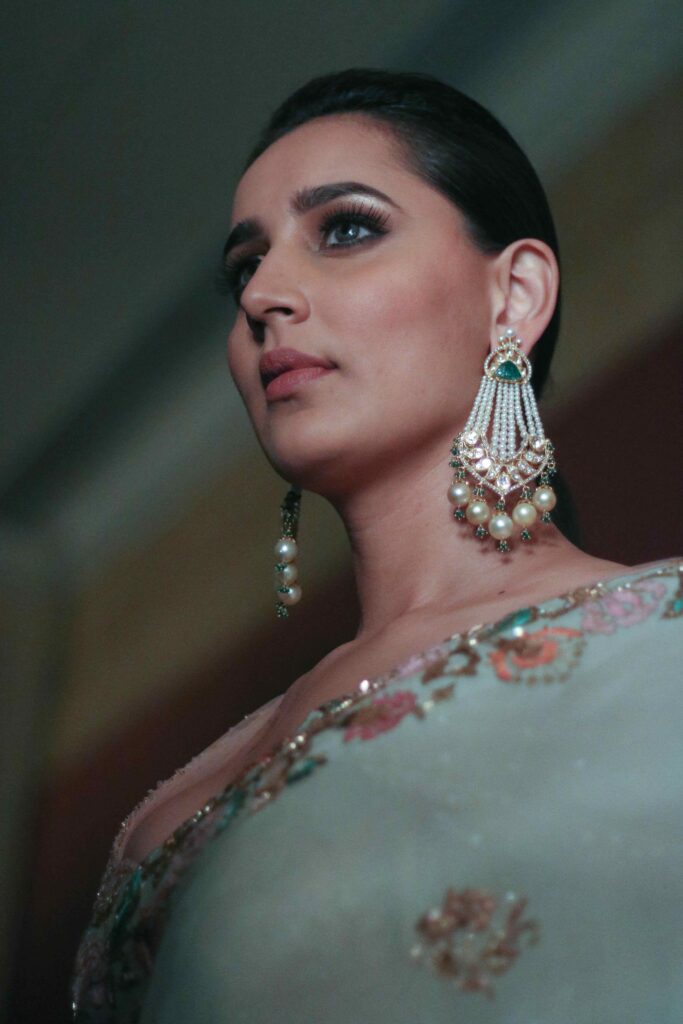
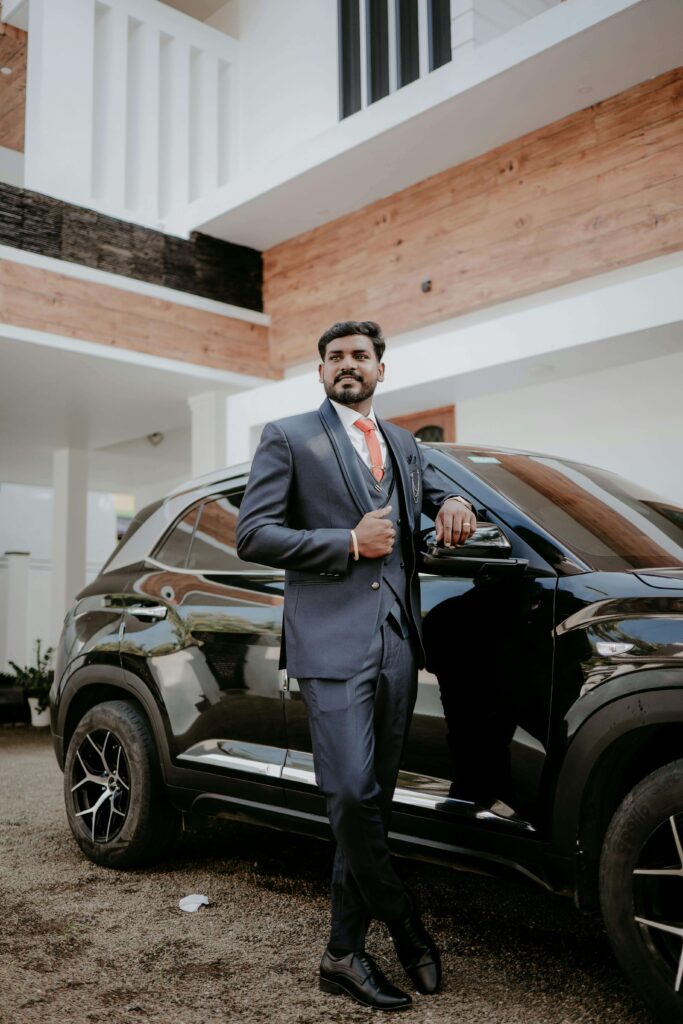
The luxury market in India is undergoing a quiet revolution — not driven solely by billionaires or old money, but by the country’s fast-growing aspirational middle class.
Once the domain of ultra-high-net-worth individuals, luxury brands today are finding fertile ground among first-generation wealth creators, upwardly mobile professionals, and the emerging “New Affluent” in India’s metro and Tier 2 cities. According to Bain & Company’s India Luxury Report 2024, India’s luxury market is poised to reach $8.5 billion by 2025, growing at a healthy CAGR of 10–12%. Critically, the report notes that nearly 35% of luxury purchases are now driven by the aspirational middle class.
“Luxury in India is no longer about exclusivity alone — it’s about self-affirmation and new identities,” says Darshan Mehta, President and CEO of Reliance Brands.
A deeper dive into consumption patterns reveals interesting trends. A 2023 survey by Statista found that 60% of new luxury buyers in India are under the age of 35, and 48% are based outside the top six metros. Additionally, categories like beauty, handbags, affordable jewelry, and entry-level watches are seeing the fastest growth among new consumers.
Brands have responded with sharp adaptations. Louis Vuitton, for instance, has localized its campaigns to reflect Indian cultural pride — featuring Bollywood stars like Deepika Padukone and cricket icons in their Indian promotions. They have also increased focus on “entry-luxury” products like wallets, belts, and small leather goods, priced between ₹40,000 to ₹80,000.
BMW India, sensing the aspirational momentum, introduced lower-displacement models like the BMW X1 and launched attractive financing options targeted at young professionals. Their “Sheer Driving Pleasure” campaign has been adapted to project not just luxury, but achievement and youthful ambition.
“For many of our Indian customers, owning a BMW is not just about a car — it’s a life milestone,” says Vikram Pawah, President of BMW Group India.
Jewelry giant Tanishq, meanwhile, has blurred the lines between traditional and modern luxury. Its sub-brand, Zoya, markets itself as “luxury with a soul” — combining Indian craftsmanship with international minimalism. Their collections are priced to appeal to the successful middle-class woman who is buying for herself, not waiting for an heirloom gift.
Interestingly, brand positioning is undergoing a clear shift. Instead of an aura of inaccessibility, luxury is increasingly framed as a reward for hard work — a deserved indulgence. Campaigns celebrate “firsts” — first job, first business, first property — milestones that resonate deeply with India’s New Affluent.
A case study in smart positioning is Montblanc, the German writing instrument brand. Instead of marketing only pens priced at ₹50,000 and above, Montblanc India introduced more accessible lines like the PIX and MB Sartorial collections, priced around ₹20,000, attracting young executives buying their first luxury product.
“Luxury is becoming more democratic — it’s about emotional relevance, not just price tags,” observes Abhay Gupta, founder of Luxury Connect and a veteran of India’s luxury industry.
Tier 2 and 3 cities are a key battleground. Gucci, Dior, and Emporio Armani have expanded into cities like Chandigarh, Ahmedabad, and Hyderabad. E-commerce platforms like Tata CLiQ Luxury and Ajio Luxe have enabled luxury brands to reach even smaller towns without losing their aspirational appeal.
Digital engagement is another critical strategy. Bain reports that 70% of first-time luxury buyers in India engage with a brand online before making a purchase. As a result, brands are investing heavily in hyper-localized digital marketing, vernacular content, and influencer tie-ups to reach these new consumers.
“Our Indian clients today research extensively, know what they want, and expect a personalized experience both online and offline,” says Santosh Desai, Managing Director of Future Brands.
Data from YouGov’s 2024 survey shows that luxury brand loyalty is still evolving in India. While 38% of aspirational buyers stick with a brand after their first purchase, the rest are open to experimenting, which means brands have to work harder to build emotional connections.
Ultimately, what is emerging is a uniquely Indian luxury market — one that blends pride in achievement, a desire for quality and craftsmanship, and a growing cultural self-confidence.
As India’s middle class continues to expand — expected to reach 700 million by 2030 according to the World Economic Forum — luxury brands that understand and honor the dreams of this new consumer base stand to gain richly. Not just in sales figures, but in long-term brand loyalty built on shared aspiration.
Sources:
• Bain & Company India Luxury Report 2024
• Statista Consumer Insights 2023
• YouGov India Luxury Market Survey 2024
• World Economic Forum: India Consumer Market Study 2024
• Darshan Mehta (Reliance Brands), Vikram Pawah (BMW India), Abhay Gupta (Luxury Connect), Santosh Desai (Future Brands)

