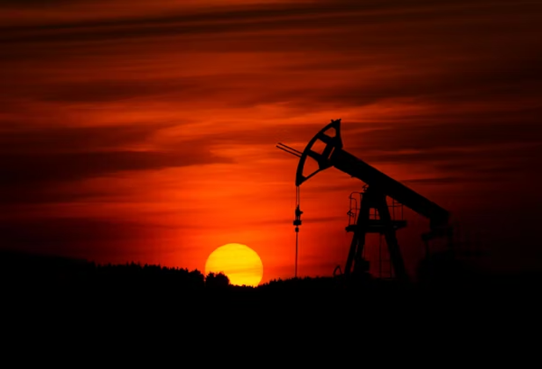
The ongoing tensions in West Asia have once again highlighted one of the most significant vulnerabilities in India’s economy — its heavy dependence on imported crude oil. With disruptions in global energy markets and rising crude prices, policymakers and economists are increasingly emphasizing the need for India to strengthen its long-term energy security strategy. According to Nagesh Kumar, an external member of the Monetary Policy Committee at the Reserve Bank of India and director at the Institute for Studies in Industrial Development, India must take the issue seriously.
“India’s high reliance on imports of crude oil means its economy can be highly vulnerable to fluctuations in hydrocarbon markets,” Kumar told Press Trust of India.
While Kumar maintained that India’s macroeconomic fundamentals remain strong and economic growth is expected to stay close to 7% in 2026–27, he stressed that sustainable long-term growth would require greater energy resilience.
Why the Current Crisis Matters for India
India imports nearly 85% of its crude oil requirements, with a substantial portion sourced from regions directly affected by geopolitical tensions in West Asia. Ongoing uncertainty surrounding shipping routes and future supply availability has pushed crude oil prices higher, increasing pressure on India’s economy.
Higher crude prices affect India through multiple channels, including:
- Rising fuel prices
- Depreciation pressure on the Indian rupee
- Inflationary pressures
- Increased manufacturing input costs
- Widening current account deficits
Concerns also rise whenever critical global energy routes such as the Strait of Hormuz face disruption risks, as any interruption in oil flows can sharply increase energy prices and impact economic stability.
Inflation and Growth Challenges Intensify
Crude oil prices have a direct impact on inflation because fuel costs influence transportation, logistics, power generation, and industrial activity. In emerging economies like India, sustained high energy prices can affect consumer spending and reduce business profitability.
Manufacturing companies that rely heavily on petroleum products and natural gas may face rising operational expenses. Economists warn that energy-driven inflation could moderate consumption demand and complicate monetary policy decisions for the Reserve Bank of India.
At the same time, rising energy import bills continue to put pressure on India’s external accounts and may contribute to a larger current account deficit.
Energy Security Becomes a Strategic Priority
According to Kumar, India requires a long-term strategic framework rather than a short-term crisis-management approach.
Some of the major elements highlighted in the proposed strategy include:
- Increased domestic oil and gas exploration
- Expansion of strategic petroleum reserves
- Faster electrification efforts
- Greater renewable energy adoption
- Improved energy efficiency
India has already made significant progress in renewable energy and has emerged as a global leader in solar power expansion. Initiatives such as the International Solar Alliance and India’s target of achieving 500 GW of non-fossil fuel capacity by 2030 reflect the country’s broader clean energy strategy.
Electrification and Clean Energy Gain Momentum
Electrification is increasingly being viewed as one of the most effective long-term solutions for reducing dependence on hydrocarbons.
The transition from fossil fuels to electric power across transportation, household appliances, and industrial systems could help India reduce its exposure to global oil supply disruptions.
Electric vehicles, clean manufacturing, and sustainable cooking solutions are now being seen not only as environmental priorities but also as important economic security measures. Technologies such as green hydrogen, battery storage, and smart grids are expected to play a crucial role in addressing future energy challenges.
Government Measures to Reduce Vulnerability
The Indian government has already introduced several measures aimed at reducing the impact of rising crude oil prices on the economy.
These include:
- Negotiations with oil-producing nations
- Diversification of import sources
- Expansion of strategic crude reserves
- Reduction in excise duties to manage fuel prices
India has also strengthened its strategic petroleum reserves to provide emergency support in the event of major supply disruptions.
Additionally, policymakers are working to utilise trade agreements and export growth to offset pressures arising from higher energy imports.
Growth Outlook Remains Strong
Despite current challenges, India continues to remain one of the world’s fastest-growing major economies. Strong domestic consumption, infrastructure investment, and expanding manufacturing activity continue to support growth momentum.
However, economists increasingly believe that sustaining long-term economic growth will depend significantly on India’s ability to reduce its reliance on imported energy. The ongoing tensions in West Asia have reinforced the strategic importance of achieving greater energy independence.
The current crisis in West Asia serves as a reminder of the Indian economy’s vulnerability to disruptions in global crude oil supplies. Rising energy prices are already influencing inflation, industrial production costs, and external balances.
Experts believe that strengthening India’s energy security strategy has now become more important than ever. Along with diversifying energy sources and increasing domestic exploration, India is expected to continue expanding strategic reserves and accelerating the adoption of renewable and clean energy solutions.