India is confronting a period of heightened economic uncertainty as escalating geopolitical tensions in West Asia, rising crude oil prices, climate-related risks, and renewed global trade concerns begin exerting pressure on the country’s macroeconomic stability. At the same time, India’s continued placement on the United States Trade Representative’s Priority Watch List has once again brought intellectual property regulations and market-access concerns into focus amid ongoing bilateral trade discussions.
The developments come at a sensitive time for the Indian economy, with policymakers balancing inflation management, supply-chain stability, investment confidence, and long-term growth priorities against an increasingly volatile global backdrop. The Ministry of Finance has already warned of mounting external risks arising from the ongoing West Asia crisis, particularly in relation to energy security, imported inflation, and disruptions in maritime trade routes. India remains heavily dependent on the Gulf region for crude oil, LNG supplies, fertilizers, and petrochemical imports, making the economy especially vulnerable to prolonged geopolitical instability in the region.
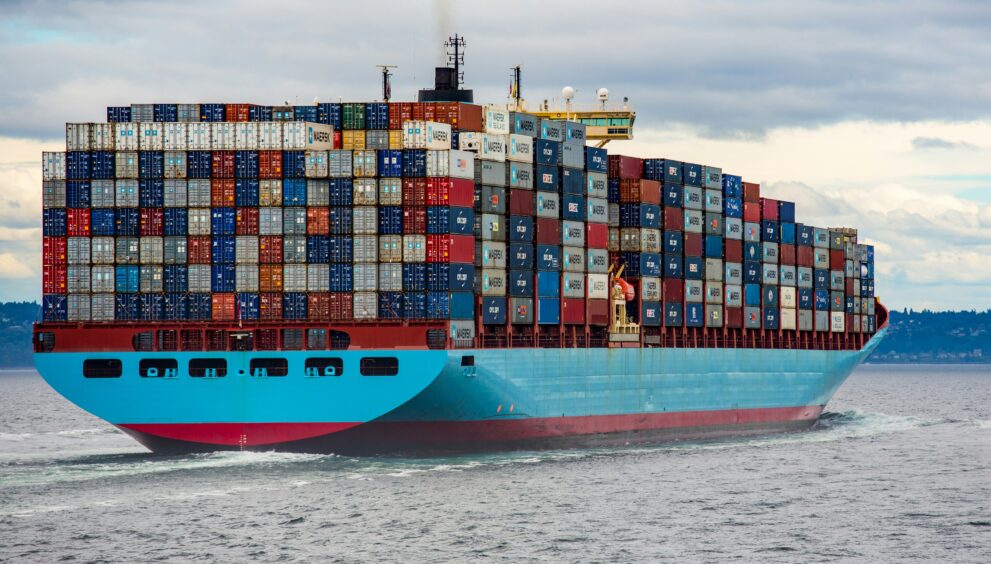
Concerns have intensified as rising tensions threaten shipping routes through the Arabian Sea and the Strait of Hormuz, both of which are critical to India’s energy imports and international trade flows. According to the Finance Ministry, any prolonged disruption could trigger supply bottlenecks, increase freight and insurance costs, and contribute to greater commodity price volatility across global markets.
India imports more than 80% of its crude oil requirements, making fluctuations in global energy prices a major macroeconomic concern. Rising crude prices directly affect transportation costs, logistics expenses, manufacturing input costs, and consumer inflation. Economists warn that persistent energy inflation could place additional strain on household consumption while complicating monetary policy decisions for the Reserve Bank of India.
The inflationary risks are being compounded by domestic climatic concerns. Forecasts linked to El Niño conditions indicate the possibility of a weaker southwest monsoon during 2026, raising fears over agricultural productivity and food inflation. A below-normal monsoon could reduce crop yields, affect water reservoir levels, and push up prices of cereals, vegetables, and essential food commodities.
The combination of imported inflation and weather-related food-price pressures has created a challenging environment for policymakers. The Finance Ministry has cautioned that downside risks to GDP growth could intensify if geopolitical and climatic conditions worsen simultaneously.
Financial markets have already begun reflecting the uncertainty. Commodity prices remain volatile, the rupee continues to face pressure against the US dollar, and foreign investors are adopting a more cautious stance toward emerging markets exposed to energy-price shocks. Analysts believe that continued instability in West Asia could affect capital inflows, corporate investment sentiment, and export competitiveness due to disruptions in logistics networks.
At the same time, India is also facing renewed scrutiny over its intellectual property rights framework after being retained on the Priority Watch List in the latest Special 301 Report released by the Office of the United States Trade Representative. The report highlighted persistent concerns regarding patent enforcement, copyright protection, digital piracy, trademark disputes, and market access regulations.
The annual Special 301 Report evaluates the adequacy and effectiveness of intellectual property protection mechanisms among America’s trading partners. India’s continued inclusion on the Priority Watch List reflects ongoing concerns from the US regarding administrative efficiency, enforcement consistency, and regulatory predictability in sectors such as pharmaceuticals, technology, software, entertainment, and manufacturing.
The report pointed to concerns related to lengthy patent approval procedures, enforcement delays, online piracy, counterfeit prevention, and trade-secret protections. These issues continue to influence broader trade and investment discussions between India and the United States.
However, Indian authorities have consistently maintained that the country’s intellectual property framework remains compliant with the WTO’s TRIPS Agreement while balancing public-interest priorities such as affordable healthcare, domestic manufacturing, innovation, and support for startups and MSMEs.
India has also undertaken several reforms in recent years aimed at strengthening its intellectual property ecosystem. These include digitisation of patent and trademark filing systems, reductions in examination timelines, expansion of enforcement initiatives, and the modernization of copyright infrastructure. Programs such as Startup India and Digital India have also played a role in encouraging innovation and technology-led growth.
The broader strategic context surrounding intellectual property has become increasingly important amid growing geopolitical competition, supply-chain realignments, and the global race for dominance in semiconductors, pharmaceuticals, artificial intelligence, and digital technologies. Trade experts believe intellectual property governance is likely to remain a major component of international economic diplomacy in the years ahead.
Meanwhile, the designation of Vietnam as a “Priority Foreign Country” in the same report — the highest level of concern under the US framework — signals a tougher American stance on intellectual property enforcement across emerging economies. It also reflects increasing scrutiny over technology governance and market regulations globally.
For India, the simultaneous emergence of geopolitical risks, inflationary pressures, energy vulnerabilities, and trade-policy concerns highlights the interconnected nature of today’s global economy. While India’s growth outlook continues to be supported by strong domestic demand, infrastructure spending, and manufacturing expansion, policymakers are increasingly being forced to prepare for multiple external shocks occurring simultaneously.
Authorities are expected to closely monitor crude oil movements, food inflation trends, foreign exchange reserves, shipping disruptions, and capital flows over the coming months. The Reserve Bank of India is also likely to carefully assess imported inflation trends while balancing growth support with currency and liquidity management.
The current developments have once again underlined some of the structural vulnerabilities within the Indian economy, including heavy dependence on imported energy, exposure to global shipping routes, and climate-sensitive agricultural output. Economists argue that long-term resilience will depend on diversifying energy sources, strengthening domestic supply chains, accelerating renewable energy adoption, and improving climate adaptation measures.
As geopolitical tensions continue to evolve and global economic fragmentation deepens, India’s ability to maintain macroeconomic stability while sustaining growth momentum will remain closely watched by investors, policymakers, and international trade partners alike.