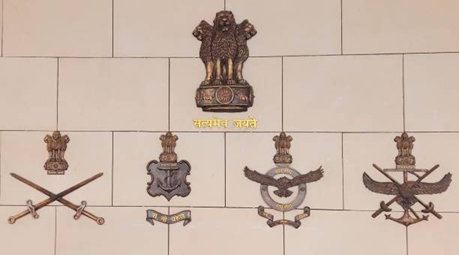
India’s micro, small, and medium enterprises (MSME) sector is rapidly emerging as a key contributor to some of the country’s most strategically vital industries, including space and defence. No longer viewed as peripheral players, small enterprises are now integral to complex supply chains serving institutions such as ISRO and the Indian armed forces. This transformation is being driven by targeted government policies, improved technical capabilities among MSMEs, and the broader push under the Atmanirbhar Bharat initiative to promote self-reliance at every level.
Addressing the Pune International Business Summit, Rajneesh, Additional Secretary in the MSME Ministry, highlighted the growing capability of small industries to deliver high-precision components for missions of national importance. The two-day summit, hosted by the Mahratta Chamber of Commerce, Industries and Agriculture (MCCIA) with participation from the MSME Ministry and the World Bank, underscored the rising strategic relevance of the sector.
Policy Push Fuelling MSME Participation
A major catalyst for this transformation has been the government’s mandate requiring public sector enterprises to procure at least 25% of their requirements from micro and small enterprises. Initially met with scepticism, the policy has exceeded expectations. According to official data cited by Rajneesh, nearly 46% of procurement by public sector enterprises is now sourced from MSMEs.
This shift is not merely compliance-driven. “MSMEs have demonstrated their ability to deliver high-quality outputs on technical parameters while offering cost advantages. Procurement costs for public sector units have declined by 20–30% due to MSME participation,” he noted. The statement underscores the strong case for integrating small enterprises into high-end manufacturing ecosystems.
Proven Capabilities in Space and Defence
India’s recent technological achievements offer compelling evidence of MSME capabilities. For instance, a technology centre under the MSME Ministry in Bhubaneswar manufactured and supplied over 400 critical components used in India’s lunar mission, Chandrayaan. MSMEs have also played a role in the Light Combat Aircraft programme, HAL Tejas, one of India’s flagship defence projects.
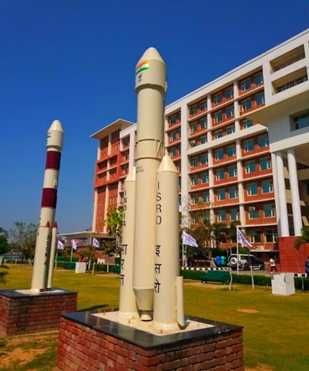
At the regional level, specialised manufacturing clusters are emerging. The Pune region alone hosts around 600 MSMEs catering to the defence sector, according to MCCIA estimates. Similarly, cities such as Bengaluru, Hyderabad, Coimbatore, and Chennai are witnessing the rise of such clusters, aligned with the defence corridors proposed by the Centre.
Exports and Global Integration
Beyond domestic procurement, MSMEs are playing an increasingly important role in India’s export landscape. The sector contributes nearly 45% of India’s total exports, valued at approximately $825 billion. Government officials believe that the expansion of free trade agreements will further enhance global market access for MSME products, particularly precision components and engineering goods used in aerospace and defence.
Data from the Directorate General of Foreign Trade (DGFT) indicates that MSME-led exports have shown resilience despite global economic volatility, reinforcing their importance in India’s external trade strategy.
Economic Backbone with Persistent Challenges
The MSME sector remains central to India’s economy, employing nearly 32 crore people and contributing around 31% to the country’s gross output. As part of efforts to strengthen the ecosystem, the government has successfully formalised over 4.5 crore MSMEs.
However, structural challenges persist. Delayed payments, lack of standardisation in quality, and limited formalisation continue to hinder growth. Access to finance remains a critical concern, with lenders often viewing MSMEs as high-risk borrowers. Rajneesh, however, countered this perception, noting that non-performing assets (NPAs) in the sector are as low as 3.4%, a figure that is often overlooked.
Need for Regional, Tailored Solutions
A key takeaway from the summit was the need for more region-specific policy approaches. MSMEs operating in coastal export hubs, defence manufacturing zones, or tier-2 industrial centres face distinct challenges. “A one-size-fits-all policy can be counterproductive,” Rajneesh emphasised, advocating for tailored interventions to unlock sectoral and regional potential.
Conclusion
The rise of MSMEs in India’s space and defence sectors reflects a deeper structural shift in the country’s industrial landscape. Backed by supportive policies, technological advancement, and cost competitiveness, these enterprises are increasingly being recognised as indispensable to strategic manufacturing.
As India moves through the early months of 2026, with policy momentum building in March and April around manufacturing, exports, and defence indigenisation, the role of MSMEs is set to become even more critical. If existing challenges particularly in finance and standardisation are addressed effectively, MSMEs could well emerge as global players, strengthening India’s position in high-technology and strategic industries.