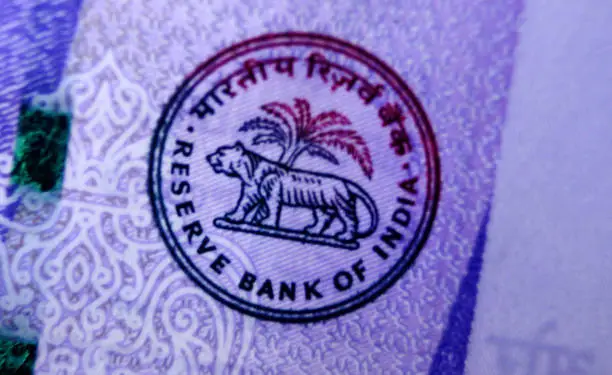
In a world plagued by economic uncertainty and policy reversals, India’s central bank has taken a route of cautious optimism. The Reserve Bank of India’s Monetary Policy Committee (MPC), in its April meeting, reduced the repo rate by 25 basis points to 6%, the second consecutive cut, changing its stance from “neutral” to “accommodative.” This action, though modest on the surface, sends a clear message: India is willing to aid growth, even as it keeps inflation under control.
This is not a policy shift. It is a considered adjustment. As retail inflation slipped to a five-year low of 3.34% in March and growth estimates weakened, the RBI’s decision looks not only prudent but necessary. It reflects an understanding that macroeconomic management is not a zero-sum game of inflation versus growth, but a balancing act that calls for flexibility.
Inflation Contained, Room to Breathe
Inflation targeting has long been the RBI’s guiding star—and with good reason. High inflation erodes purchasing power and stifles investment confidence. But as Governor Sanjay Malhotra pointed out in the policy minutes, when inflation is firmly around its 4% target and growth remains tepid, monetary policy must evolve to meet the moment. The softening of food prices, aided by expectations of a good monsoon, has created precisely such a moment.
This leeway is valuable. It enables the RBI to switch to fostering demand through declining borrowing costs, enhanced credit off-take, and a revival of private investment. India’s consumption story, stretched by rural distress and subdued wage growth, cries out for a push. Monetary easing is not a silver bullet, but it can reduce the cost of capital, stimulate business expansion, and enhance consumer confidence.
Global Headwinds, Domestic Decisions
Much of the current restraint stems from the international context. The U.S.-China trade war remains unresolved, with tariff whiplash continuing to roil global markets. External MPC member Saugata Bhattacharya rightly cautioned that if these tensions persist, they could slow global trade significantly pulling down India’s export and investment growth with them.
India’s economic story remains primarily domestic. However, we are not immune to external shocks. That is why domestic demand must be supported proactively, before external shocks turn into internal slowdowns. The RBI’s forward-looking approach recognises this vulnerability and seeks to shield the economy from global uncertainty.
Beyond Optics, Towards Outcomes
Skeptics may argue that the 25-basis point cut is too little and too slow. But policy is as much about timeliness, discipline and messaging as it is about quantum. The MPC’s shift in stance to “accommodative” is a strong psychological signal. It tells markets, banks and businesses that the central bank stands in support—and may take further steps if needed.
This approach aligns with the principle of flexible inflation targeting. RBI Executive Director Rajiv Ranjan put it aptly: this is not about abandoning inflation control, but about responding to the economy’s condition. A rigid focus on inflation would be ill-suited when growth is slowing and inflation is well below the target.
The Real Work Begins Now
Monetary policy alone cannot elevate India’s growth trajectory. Structural reforms, fiscal stimulus and effective implementation must work in tandem. But an accommodative interest rate environment can provide the foundation for these efforts to bear fruit.
What matters now is transmission. Banks must pass on the benefits of the rate cuts to borrowers. The RBI has done its part by signalling support—now it’s up to lenders, businesses and policymakers to respond.
India stands at a critical juncture. Growth is not faltering, but it is not accelerating fast enough to meet the aspirations of a vibrant, young population. The RBI has demonstrated that it recognises the nuance of this moment. By acting now instead of waiting for conditions to deteriorate further, it has nudged India’s economy forward—gently, yet decisively. This is not merely a rate cut; it is a vote of confidence in India’s future.